
You would like to reduce your alcohol consumption without necessarily aiming for total abstinence. You are not alone, and it is an approach that is both realistic and beneficial for your health. Many addiction experts actually recommend a gradual approach to regain a calmer relationship with alcohol.
In this article, we present five practical methods to cut down on alcohol while still enjoying convivial moments. We will also see how laser support can help you stay on course, alongside medical follow-up if necessary.
5 ways to reduce your alcohol consumption (without stopping completely).
Reading time: ~10 min
Contents
- Why seek to reduce your alcohol consumption without stopping completely
- Method 1: Assess your consumption and set realistic goals
- Method 2: Alternate each alcoholic drink with a non-alcoholic one
- Method 3: Drink more slowly and limit quantities on each occasion
- Method 4: Change your routines and high-risk environments
- Method 5: Focus on wellbeing and positive rewards
- How laser can help you
- Frequently asked questions
Why seek to reduce your alcohol consumption without stopping completely
Reducing your alcohol consumption already brings significant health benefits: a lower risk of cardiovascular disease, cancers, sleep disorders and anxiety. Health authorities recommend not exceeding a certain number of drinks per week and planning alcohol-free days.
Many people recognise themselves in these situations: drinking to unwind after work; finding it hard to refuse a drink at aperitifs; waking up with regrets after a boozy evening. The aim is not to make you feel guilty, but to give you concrete reference points to take back control.
Method 1: Assess your consumption and set realistic goals
Keep a small diary
For two to four weeks, note down each day the number of drinks you have had, the type of drink, the time of day and the associated context or emotion (stress, boredom, party, family meal). This observation helps you spot the riskiest times, the triggers for the urge to drink and the habits that are ingrained in your routine.
Set SMART goals
Once you have taken stock, set yourself goals that are simple, measurable, achievable, realistic and time-bound. Examples: limit yourself to two drinks at a festive meal, plan two alcohol-free days each week, decide not to drink before a certain time, or gradually reduce your weekly consumption. Celebrate every small step in the right direction.
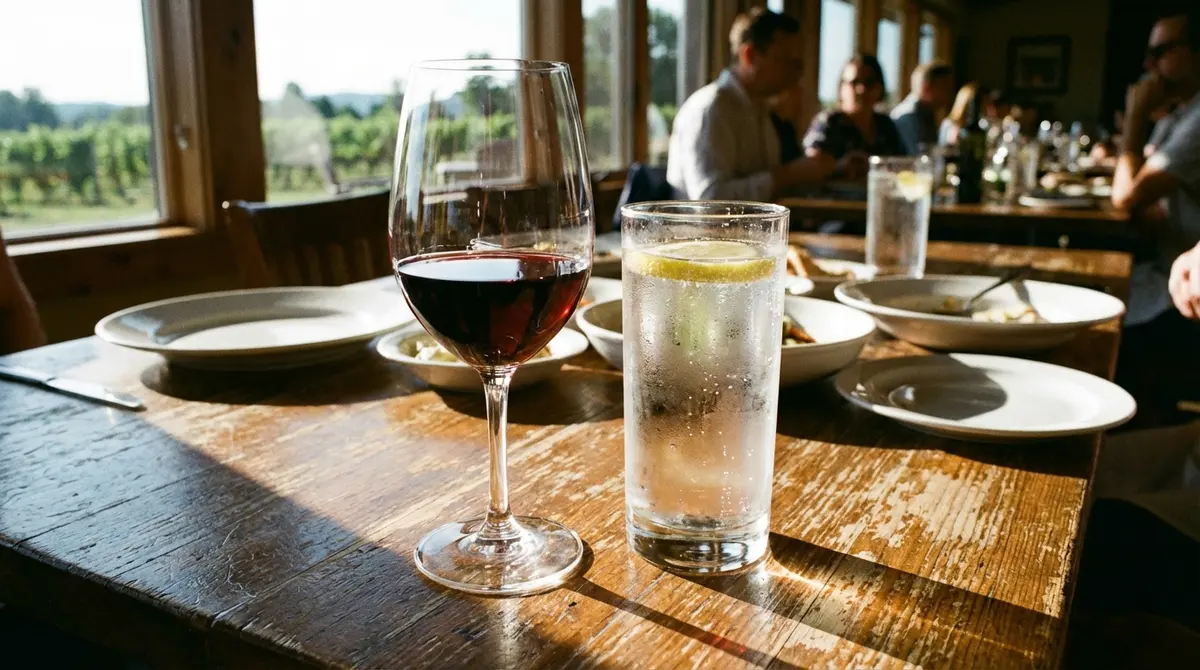
Method 2: Alternate each alcoholic drink with a non-alcoholic one
Concrete examples to try
This alternation hydrates the body, naturally slows down the pace of drinking and can cut the total amount of alcohol by half without a feeling of deprivation. Always start with a non-alcoholic drink if you are very thirsty: you will enjoy the alcoholic drink that follows all the more.
Method 3: Drink more slowly and limit quantities on each occasion
Set a limit before you start
Before an evening or a meal, decide on the maximum number of drinks: one drink at lunch, two for a long aperitif, three for a big occasion. Sharing this intention with someone you trust helps you resist social pressure.
Drink more slowly
Savour each sip, put your glass down between sips, always drink while eating and avoid automatic refills. Stick to a single type of alcohol in small glasses so that you stay in control of your consumption.
Method 4: Change your routines and high-risk environments
Identify the situations that cause problems
Analyse the moments when you drink without real pleasure, the people with whom you exceed your limits and the places where it is harder to say no. This awareness allows you to take targeted action.

Introduce new routines
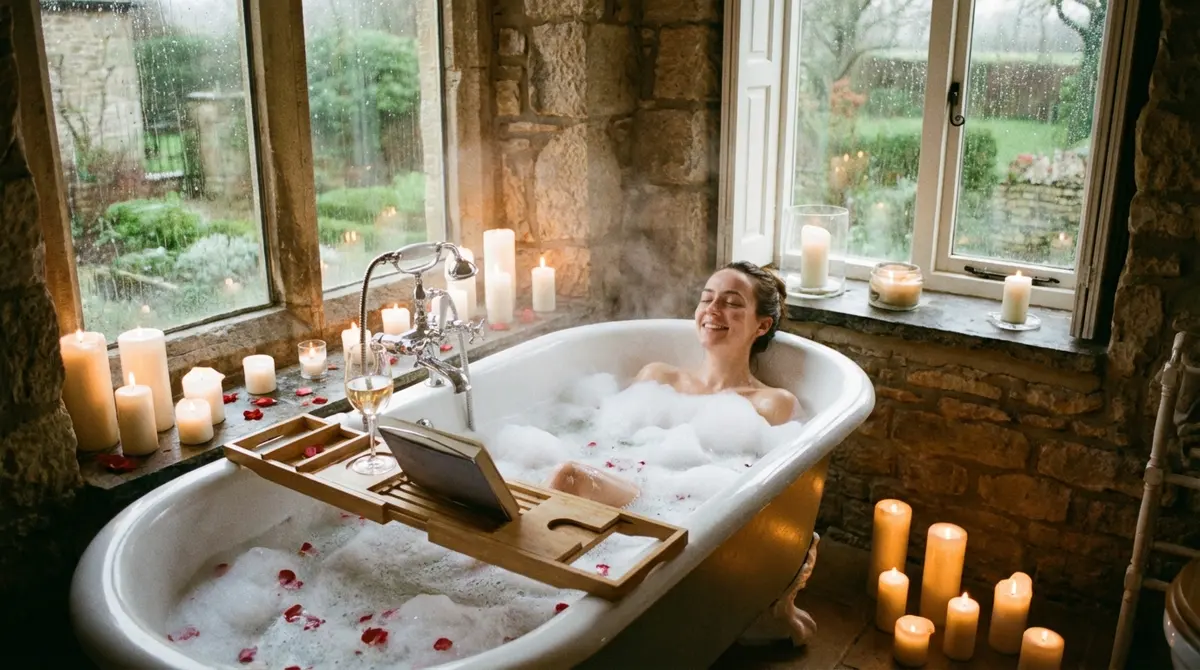
Replace the daily aperitif with a walk, a yoga session or a relaxing shower. Suggest activities that do not revolve exclusively around alcohol: cinema, a picnic with alcohol-free drinks or a cultural outing. At home, keep little or no alcohol and tell those around you about your approach so that you benefit from their support.
Method 5: Focus on wellbeing and positive rewards
Strengthening your everyday wellbeing
Regular, suitable physical activity, deep breathing exercises, mindfulness meditation, creative hobbies or quality time with your loved ones encourage the release of endorphins and reduce the need to turn to alcohol to relax.
Rewarding yourself differently
Track your progress week after week and treat yourself to a reward unrelated to alcohol (a book, a massage, an outing, an item of clothing) when you meet your goals. If difficulties persist, consult a health professional or an addiction specialist.
How laser can help you reduce your alcohol consumption
Alongside these methods, some people choose laser support. At ABC Laser, the sessions fall within the field of wellbeing and in no way replace a medical procedure. The aim is to act on stress management, sleep quality and the reduction of compulsive urges linked to the usual times of drinking.
The sessions are part of an overall plan in which you define your reduction goals, apply the methods described above and benefit from additional support to strengthen your motivation. To find out in detail how laser-assisted quitting can support cutting down on alcohol, see the dedicated page. More information at: ABC Laser
FAQ - Frequently asked questions about reducing alcohol consumption
Do I necessarily have to stop drinking alcohol completely for it to be beneficial?
No. Reducing your consumption already brings measurable benefits. However, certain situations (pregnancy, specific medical conditions, a history of severe addiction) may require total abstinence on medical advice.
How do I know if my drinking is problematic?
There are warning signs: difficulty sticking to your own limits, drinking to manage difficult emotions, concern from those around you, an impact on work or family life, repeated failed attempts to cut down. In these cases, consult a professional.
Can I reduce my alcohol consumption on my own?
Many people manage to, but if cutting down leads to marked distress or a feeling of losing control, get support from a doctor, a psychologist or a specialist service. Wellbeing-focused laser support can complement, without replacing, medical follow-up.
How soon can positive effects be seen?
The first benefits (better sleep, less tiredness, improved concentration, fewer headaches or digestive problems) often appear quickly. In the medium term, overall balance, skin quality and mood stability improve.
Summary
In short, reducing your alcohol consumption without stopping completely is a realistic goal if you rely on concrete methods: assessing your consumption, gradual goals, alternating with alcohol-free drinks, changing your routines and strengthening your wellbeing. For some people, complementary support such as the sessions offered by ABC Laser can back up your efforts and help these changes last.
Need personalised support? Contact us to review your situation.