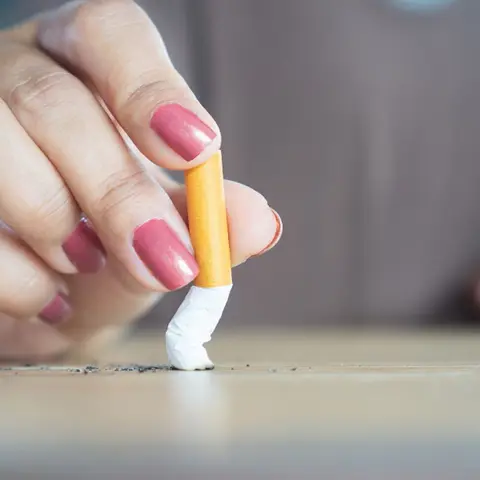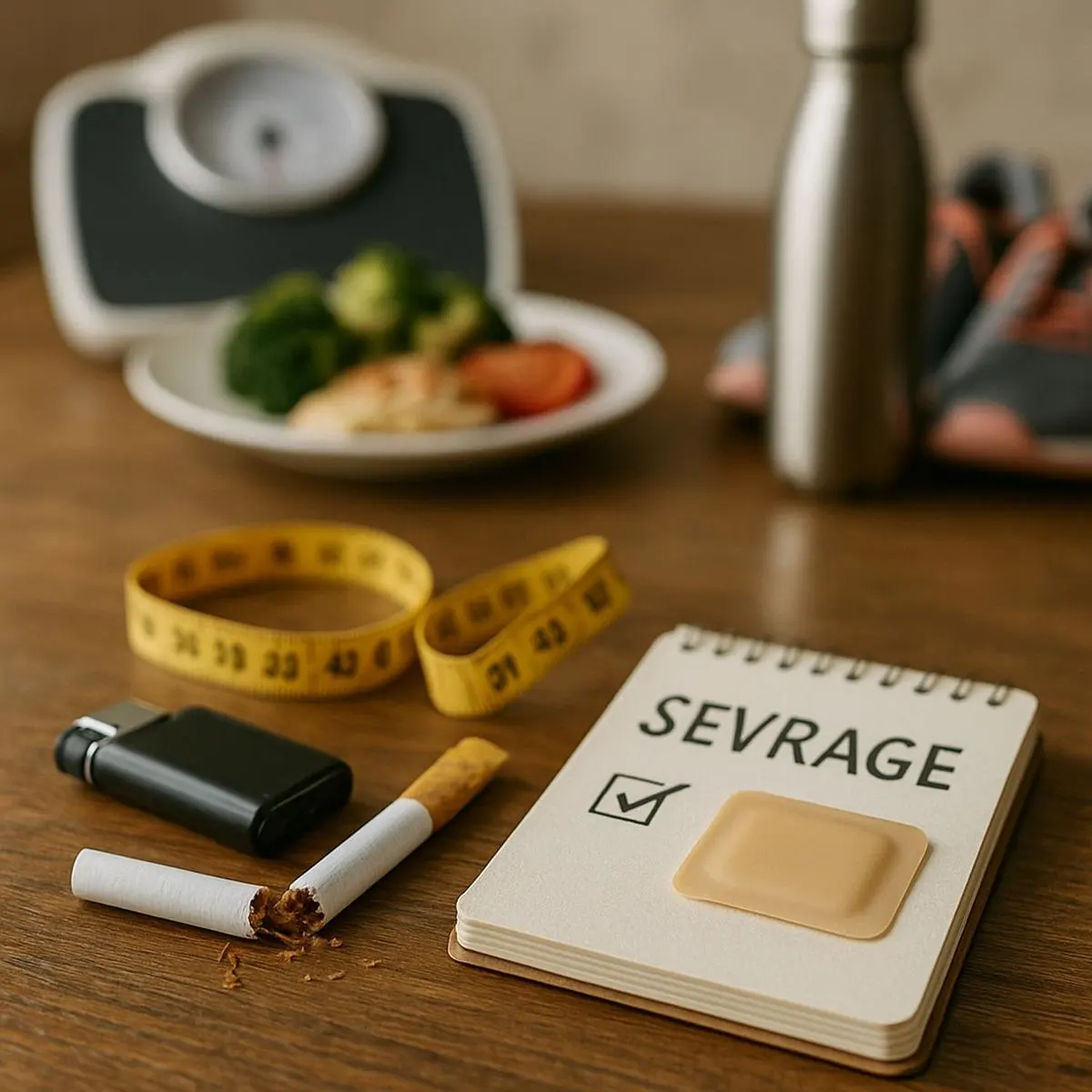
Using cigarettes as an "appetite suppressant" may seem practical at the time, but it is a bad idea that seems good, one that maintains dependence and undermines your wellbeing. The good news: stopping smoking does not necessarily lead to weight gain. With suitable preparation and structured support, it is possible to regain energy, stabilise your appetite and stay in control. Our experience shows that by acting on stress, habits and oral cravings, you can move calmly towards lasting withdrawal, without sacrificing your figure.
In this article, we guide you step by step to dispel misconceptions, anticipate metabolic changes and establish simple reflexes that make the difference. We favour gentle, natural and personalised approaches to help you get through the first few weeks with confidence, limit compensation and anchor lasting everyday markers.
Smoking to lose weight: a dangerous myth to dismantle
Relying on cigarettes to "hold out" until a meal gives the illusion of controlling hunger, but it is only a trompe-l'œil. The gesture keeps you busy, the bitterness sometimes takes away the desire to eat, then hunger returns in a more confused form, with a risk of impulsive snacking. In the long term, this strategy maintains dependence, drains energy and takes you further away from listening to your body. In other words, it meets neither the real need nor your goal for your figure.
Why this belief persists
Because the ritual gives a feeling of immediate control: you take a break, you breathe differently, you turn away from your internal signals for a few minutes. The effect may seem calming, but it resolves neither stress, nor meal planning, nor boredom. Dismantling the myth means bringing clarity back to your relationship with your body and your appetite.
| Belief | Reality | Our recommendation |
|---|---|---|
| "Cigarettes suppress the appetite." | A brief effect; hunger comes back stronger and more erratic. | Structure regular, filling meals and snacks. |
| "Smoking helps burn more." | The impact is negligible and fatigue reduces the desire to move. | Focus on gentle, daily movement, with no aim of performance. |
| "Without cigarettes, I'll snack." | Snacking often fills in for stress or automatic habit, not real hunger. | Plan calming rituals and suitable oral alternatives. |
| "Weight gain is inevitable." | With preparation, balance can be maintained. | Anticipate, surround yourself with support and follow a simple, personalised plan. |
What to do instead, in practice
We help you replace the "cigarette = control" reflex with more appropriate responses that calm, nourish or energise depending on the need. In practice, you can start integrating elegant and effective habits right away:
- Breathe deeply for 1 minute (breathe in through your nose, breathe out for longer) to calm the craving.
- Have a hot unsweetened drink for its comforting effect and to keep your mouth busy.
- Plan a "filling" snack when relevant: plain yoghurt, a handful of nuts, vegetable sticks with houmous.
- Keep your mouth busy in other ways: herbal tea, sparkling water, sugar-free gum, a cinnamon stick to chew on.
- Walk for 5 minutes or stretch to release tension and boost your energy.
- Make the break a ritual: two minutes without a screen, window open, three breaths, then back to your activities with a clear head.
By replacing cigarettes with simple, pleasant markers, you take back control of your internal signals. Your figure no longer has to be the price you pay: you progress towards a gentler, more stable and calmer withdrawal.
Stopping smoking and weight: understanding the mechanisms behind weight gain
A temporary rebalancing, not an inevitability
In the first few weeks, the body reorganises itself: smell and taste become sharper, appetite becomes more distinct, bowel habits may change and slight water retention may appear. These are transitional adjustments, signs that the body is returning to its natural rhythm. We help you get through this stage without dramatising what the scales say: a return to reliable satiety and a calmer metabolism sets in gradually when your days are structured and breaks regain their true function of recovery.
From gesture to plate: understanding the transfers
The famous "hand-to-mouth" of cigarettes can turn into snacking out of habit more than out of hunger. Distinguishing physical hunger from emotional cravings changes everything: when the need is physiological, a meal or a filling snack really meets it; when it is stress, boredom or fatigue, another form of calming is more appropriate. Stop for a few seconds and ask yourself the key question: "What do I really need right now?" This simple step back avoids compensation and keeps you on track.
Stabilising without depriving yourself means favouring complete meals at regular times, sufficient hydration and gentle daily movement to restore your drive without exhausting yourself. Regular sleep also regulates appetite and mood. With clear markers, you no longer have to "hold out" against your body: you cooperate with it, and your figure is maintained more naturally.
We stay by your side to fine-tune these settings, ease the mental load and establish rituals that suit you. By making your sensations easier to read and your days more predictable, stopping smoking stops being synonymous with extra kilos and becomes an opportunity to regain a lasting balance.
Concrete strategies for withdrawal without weight gain
Structure without rigidity
To limit compensation, we help you establish a predictable rhythm that respects your sensations. The idea is not to "go on a diet", but to give your body what it needs, at the right time. A relaxed breakfast restores energy, a complete lunch stabilises the afternoon, a light dinner promotes sleep. On the plate, we aim for a simple balance: a satiety marker (a source of protein), filling volume (vegetables), stable fuel (starchy foods suited to your tolerance) and a touch of good fats to keep going without sudden cravings. This flexible framework, combined with regular hydration, calms the alarm signals that used to lead to the cigarette reflex.
A course set over 14 days
Over two weeks, we offer you a clear course. The first few days are used to observe your automatic habits and introduce calming micro-rituals at the moment the craving arises: you pause for a few breaths, change room or activity, then return to what you were doing with greater clarity. When hunger is real, a meal or snack planned in advance meets the need; when it is emotional tension, we favour a calming, non-food response. The second week consolidates these markers: more regular mealtimes, calmer evenings and daily movement, however brief, like an appointment with yourself. This rhythm creates a foundation of stability that makes stopping more comfortable and protects your figure.
Managing high-risk moments is also part of the plan. Before a meeting, a journey or something unexpected, you plan ahead: a comforting drink within reach, a route that allows for a breath of fresh air, a suitable snack if the next meal is a long way off. When you go out, you decide on a framework that is enjoyable but clear: savour without excess, stay attentive to satiety, rely on the social side rather than on automatic habit. These discreet adjustments have a cumulative effect: they reduce the mental load and prevent slips from turning into a vicious circle.
Finally, we remain attentive to your feedback so that we can make adjustments without dramatising. If your appetite increases, we make meals more filling; if fatigue sets in, we work on the rhythm of sleep and breaks; if a craving persists, we refine the ritual that defuses it. This caring follow-up maintains motivation, reduces the urge to compensate and turns your withdrawal into an elegant and controlled process, without fixating on the scales.
Move more, move better: physical activity to stabilise and protect your health
Prioritising enjoyment and regularity
We favour accessible movement, with no focus on performance, which calms the nervous system and naturally supports the appetite. The idea is simple: move a little, but often, focusing on regularity rather than intensity. A walk at a comfortable pace, a few stretches to loosen the shoulders and back, and some light postural toning are enough to restore energy, clear the mind and reduce reflex cravings. When the body breathes better and circulation gets going, hunger signals are regulated more finely and your figure stabilises gently.
Building micro-movements into your day reinforces this effect without taking up your time: getting up more often, climbing a few stairs, walking during a phone call, stretching between two tasks. These discreet actions act as a buffer: they reduce peaks of tension, improve mood and limit compensatory eating. We help you choose anchors that fit your schedule, so that they become natural and lasting.
Markers for key moments
When the urge to smoke appears, slotting in a short physical action offers an immediate and effective alternative. A deep breath in the open air, a gentle walk after a meal, a few chest-opening movements in front of a window: these rituals restore oxygenation, invite relaxation and cut automatic habits short. In the evening, slow stretches and steady breathing help you fall asleep, which reduces fatigue the next day and, with it, the urge to snack.
We adjust these markers according to how you feel: if you feel nervous, we focus on fluid, regular movement; if fatigue dominates, we favour active recovery that is gentle and restorative. By matching activity to how you are on the day, you create a balancing effect: less stress, more clarity, better-managed hunger and smooth progress towards a comfortable withdrawal.
Support and follow-up: staying motivated and preventing relapses
Support that makes each stage secure
We set up regular, simple and reassuring follow-up to turn your efforts into a controlled routine. At each checkpoint, we clarify what is working, adjust what is holding you back and consolidate your markers: mealtimes, breaks, food supports, recovery periods. The aim is not performance but consistency: staying in tune with your needs of the moment to preserve your momentum. Together, we also learn to spot the early signs of a possible relapse — fatigue setting in, accumulated tension, skipped meals, evenings that go on too long — so that you can respond quickly with gentle and effective measures.
Anticipating sensitive areas and bouncing back quickly
Preventing slips means having a discreet and realistic anti-relapse plan. We help you build this safety net: a scheduled breathing break before high-risk moments, a hot drink ready when the craving rises, a short walk after meals that tend to trigger the automatic habit. The craving scale (from 0 to 10) allows you to assess what you are feeling objectively: above a certain threshold, you activate your "3-minute SOS" ritual — breathe deeply, change room, drink slowly — then return to your activities with a clearer mind. A supportive logbook, focused on your sensations and your successes of the day, consolidates this calm vigilance.
When a setback occurs, we treat it as information, not as a failure. A calm debrief afterwards is often enough to understand the context (where, when, with whom, in what state) and adjust the key elements: making a meal more substantial to avoid cravings, simplifying an overly busy evening, protecting sleep, rescheduling a support session. This quick rebound avoids a snowball effect and restores confidence: you take back control, without guilt, with more solid markers.
Finally, we maintain your motivation over the long term by linking it to concrete, tangible benefits: deeper breathing, flavours rediscovered, calmer skin, a more peaceful mind. These indicators, more reliable than a figure on the scales, fuel perseverance. By cultivating this daily evidence and keeping your stability rituals close at hand, you move elegantly towards lasting withdrawal, without weight gain.
In short, relying on cigarettes to "manage" your appetite only provides an illusion of control; your balance is built far better with clear markers, stress relief and simple rituals that suit you, for an elegant and comfortable way of stopping, without weight gain. We are by your side to turn these principles into precise actions, at the right pace, and to offer you a reassuring framework that makes each stage easier. If you want to go from intention to success, contact ABC Laser today and book your personalised support; discover our Formule Initiale en Duo for professional, gentle and effective support, and make your decision a real first step towards lasting wellbeing.