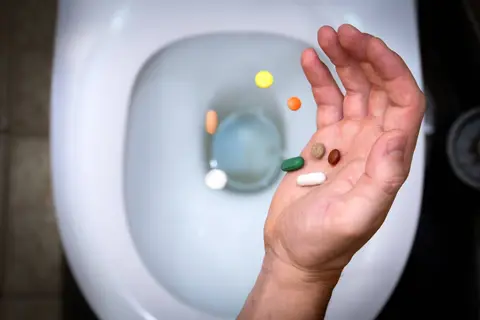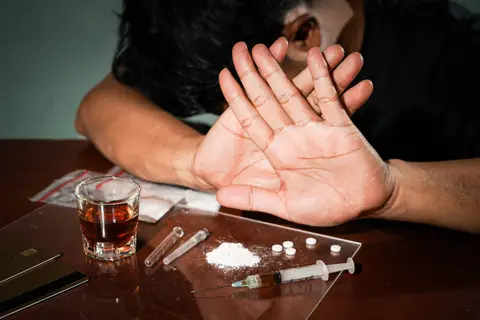
Coming off cocaine or opiates is an intense ordeal that takes as much out of the body as the mind. The physical symptoms of withdrawal can be so violent that they discourage even the most motivated people. Some centres offer withdrawal support that includes the use of low-intensity light photobiomodulation technologies, applied to specific areas of the ear.
In this article, we explain clearly what this method consists of, how it can fit into a care pathway, its possible benefits and its limits. The aim is to help you understand how laser can be a complement to medical and psychological follow-up, never a substitute.
Laser support for coming off substances (cocaine, opiates): non-medical support.
Reading time: ~10 min
Contents
- Understanding withdrawal from cocaine and opiates
- How laser works as support for coming off substances
- Typical course of laser support
- Using laser for cocaine withdrawal
- Using laser for opiate withdrawal
- Summary of laser applications for withdrawal
- Advantages and limits of laser as withdrawal support
- Frequently asked questions about laser and substance withdrawal
- Conclusion: laser and substance withdrawal
Understanding withdrawal from cocaine and opiates
Cocaine and opiates belong to the category of substances. They act very powerfully on the brain, in particular on the reward and pleasure circuits. Cocaine strongly stimulates the release of dopamine; it creates a feeling of omnipotence, disinhibition and energy, followed by sudden drops in mood and craving.
Opiates such as heroin, morphine or certain opioid painkillers activate specific receptors involved in pain, relaxation and reward. When regular use sets in, the brain gets used to these artificial stimulations. When the person stops or cuts down abruptly, withdrawal appears, with physical and psychological symptoms that are sometimes very violent.
For cocaine, the following are often observed: extreme fatigue, irritability and agitation, marked anxiety, sleep problems, a drop in mood that can go as far as depression.
For opiates, withdrawal can cause: muscle and joint pain, sweating, chills, nausea, digestive problems, intense nervousness, anxiety, insomnia and agitation. This picture makes medical and psychological care compulsory. Withdrawal from substances can be life-threatening and requires the advice of a health professional. In this context, laser is positioned solely as complementary support, designed to make these symptoms more bearable.
How laser works as support for coming off substances
The principle of cold laser and auriculotherapy
Practitioners who use this method rely on a cold laser applied to specific points on the ear. This approach is inspired by the auriculotherapy described by Dr Paul Nogier, who regarded the outer ear as a projection zone for the whole body.
The laser is directed at points linked to stress management, sleep regulation, reward circuits and pain modulation. The idea is to gently stimulate the nervous system in order to encourage a rebalancing of neurotransmitters such as dopamine, to reduce the sensitivity of the receptors involved in the pleasure linked to the substance and to calm the hyperactivity of the craving circuits. This stimulation is non-invasive and painless.
Intended effects on cravings and reward circuits
According to testimonials gathered by various specialist centres, this method could help reduce compulsive cravings to use, ease anxiety, improve sleep quality, reduce fatigue and relieve certain pains or muscle tensions. However, these effects are mainly reported through feedback from practice: no large-scale independent clinical study has so far been validated by health authorities such as the ANSM or the WHO.
Typical course of laser support
Before the sessions
Serious support begins with an in-depth conversation: history of use, general state of health, context of the withdrawal and checking that medical follow-up is in place. For substances, coordination with health professionals is systematically recommended. The services offered by ABC Laser are complementary wellbeing support; they do not constitute a medical procedure.
During the session
A typical session lasts about an hour. You are comfortably settled and the practitioner applies the cold laser to various points on the ear, sometimes complemented by a few points on the body. Some clients feel a clear reduction in cravings by the end of the first session, others notice a more gradual effect. The protocols mention one to three sessions for cocaine, sometimes a single session for opiates, with the possibility of booster sessions.
After the session and follow-up
Support does not stop when you leave the session. Many centres offer follow-up over several months (by telephone or in person) in order to assess cravings to use, adjust booster sessions, provide support at vulnerable moments and encourage continued medical and psychological follow-up.
Using laser for cocaine withdrawal
Effects of laser during cocaine withdrawal
Cocaine often leads to a cycle alternating between intense excitement and sudden exhaustion. During withdrawal, many people describe low spirits, irritability that is hard to manage, strong anxiety, insomnia and restlessness at night. Laser for cocaine withdrawal is offered as non-medical support to reduce the urges to use, calm nervousness, help regain more restorative sleep and reduce the fatigue linked to anxiety attacks.
This approach must always fit into all-round support including, at the very least, psychological follow-up, work on lifestyle habits and, where possible, informed and supportive people around you.
Using laser for opiate withdrawal
Effects of laser during opiate withdrawal
Opiate withdrawal is often dreaded for its physical intensity (widespread pain, aches, digestive problems, sweating, anguish). Some practitioners use laser to ease pain, reduce nausea, calm stress and encourage better sleep despite the discomfort. Laser does not replace substitution treatments or the medical protocols that are often necessary for safe opiate withdrawal: any decision must be made with a doctor.
Summary of laser applications for withdrawal
These indications are general and may vary between centres and protocols. They never replace the personalised advice of a health professional who knows your medical history.
Advantages and limits of laser as withdrawal support
What laser can offer
- A non-invasive and painless method; possible support to make physical symptoms more bearable; help during the first days or weeks; a support framework that strengthens motivation.
What laser does not replace
No large independent clinical study currently validates its effectiveness for substance withdrawal; health authorities do not recognise it as a medical treatment; the risk of serious complications remains if withdrawal is not medically supervised; addiction always has a psychological, social and behavioural dimension that laser does not address on its own.
FAQ
Is laser enough to stop cocaine or opiates?
No. It can help you to better bear certain physical manifestations of withdrawal but must always be combined with suitable medical and psychological follow-up.
Are there any known side effects?
Practitioners generally report good tolerance of cold laser, with no notable side effects. A few people describe temporary tiredness or a need to sleep after the session.
How many sessions are needed?
The protocols most often mention one to three sessions for cocaine and sometimes a single session for opiates, adapted to the situation.
Is laser recognised by the health authorities?
To date, this method has not been validated as an official treatment for addiction by the ANSM or the WHO. It remains complementary support.
Conclusion: laser in substance withdrawal
Breaking free from an addiction to cocaine or opiates takes courage, time and a genuine medical and psychological support network. In this journey, laser can offer medication-free support to ease some of the physical symptoms of withdrawal, provided it is integrated into comprehensive and safe care. If you would like to find out more about our complementary wellbeing support and the possibilities offered by laser, you can consult our page dedicated to laser for addictive substances on the ABC Laser website and discover our solutions.