Puffs, those disposable e-cigarettes with their playful design and sweet flavours, are increasingly attracting young people. We offer you a clear, calm look at this phenomenon. Despite their harmless appearance, these devices can deliver significant doses of nicotine, anchor repetitive gestures and encourage addictive reflexes to take hold. Without dramatising, we help you identify what matters, spot the warning signs and understand how dependency can set in quickly.
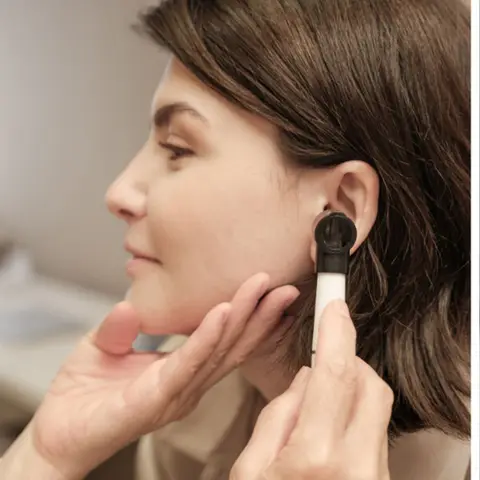
Our priority is to support you with discernment towards practical solutions that respect each person’s balance. From identifying triggers to managing stress, through calming routines and appropriate support, natural quitting is a credible path. We favour gentle, medication-free approaches — laser stimulation can in particular be part of this — combined with personalised support to encourage a gradual return to serenity and independence. Together, we lay the foundations for lasting, calm and safe change.
Disposable vapes among young people: understanding the appeal and the motivations
Understanding this craze means looking at what young people experience: pleasant flavours, a smooth sensation, a feeling of controlling how often they use it, no lingering smell and easy access. The object, light and colourful, slips effortlessly into daily life, particularly during idle moments or social occasions. Together, these cues create a setting in which trying it seems harmless and in which the shift from curiosity to habit can take place without any apparent alarm.
Factors that increase the appeal
- Attractive flavours and a softened throat sensation, associated with an experience seen as “clean”.
- Discreet, ready-to-use format, perceived as practical and “no commitment”.
- Affordable unit price, which makes impulsive trying easy.
- Peer influence and normalisation on social media.
- Quick management of stress or boredom, through a small ritual perceived as comforting.
- Perception of lower risk compared with traditional tobacco.
- Playful design, a “gadget” effect and the urge to collect flavours.
Beyond appearances, these motivations meet legitimate needs: belonging, emotional regulation, curiosity, self-assertion. By acknowledging them without judgement, we encourage a calm dialogue with your teenager and set out practical guidelines to preserve their independence while limiting the risks linked to disposable vapes.
From first try to habit: where to focus your attention
| Initial motivation | Typical feeling | Support idea (gentle and practical) |
|---|---|---|
| Sensory curiosity | “It tastes good, it’s fun.” | Suggest nicotine-free sensory rituals (flavoured drinks, breathing, calming gestures) to keep the pleasure without the dependency. |
| Need to belong | “I stay with the group.” | Create alternative social codes (a break without vaping, a neutral object in hand), encourage kind assertiveness. |
| Stress management | “It calms me down quickly.” | Introduce micro-breaks (breathing, a short walk, discreet self-massage) and calming routines that are easy to repeat. |
| Perception of lower risk | “It’s not like smoking.” | Share simple information about nicotine and automatic habits, encourage delaying use to regain control. |
| Liking the object | “I like the gadget side.” | Channel the interest towards neutral, attractive accessories that do not encourage vaping. |
| Easy access | “It’s always within reach.” | Introduce a “little friction” (don’t keep a stock, put it out of sight), plan alternatives to reach for when a craving strikes. |
By identifying with you what fuels the appeal, we turn temptation into levers for independence. This detailed understanding of motivations paves the way for personalised support that respects each person’s pace, and for daily practices that make stopping simpler and more natural.
Disposable vapes among young people: dangers and health impacts
Effects on body and mind
The nicotine delivered by these devices acts quickly, with an effect perceived as calming followed by a rebound of agitation. This cycle can establish an insidious dependency, marked by frequent cravings, irritability and a need to “take another puff” to refocus. In younger people, this often shows up as fluctuating attention, difficulty concentrating and mood swings. Sleep can also be disrupted (taking longer to fall asleep, waking at night), leading to tiredness on waking and lower energy during the day. During exertion or intense emotions, some people feel palpitations, temporary chest discomfort or headaches, signs of excessive stimulation.
Airways and oral health
The inhaled aerosol can irritate the airways and throat, causing dryness, a slight but recurring cough, or a feeling of breathlessness more quickly during activity. The sweet flavours and the heat of the vapour dry out the mouth, which encourages bad breath, sensitive gums and tingling. It is not unusual to notice a hoarse voice or discomfort in the palate after frequent use. Regular hydration, spacing out use and listening to your body’s signals limit some of these irritations, without however neutralising the strength of the automatic habits.
Early signs not to ignore
Several clues invite you to act early and calmly: the urge to vape on waking, difficulty getting through a lesson or a journey without “taking a pull”, irritation when the device is not within reach, or the need to vape more often to get the same calming effect. The trivialisation of the gesture can also reactivate the smoking reflex in certain social contexts. Acknowledging these signs without dramatising them, by naming them clearly, makes it possible to regain control and plan a natural quitting process that suits you.
We are by your side to clarify these impacts, set simple guidelines and define a strategy that respects your pace. Gentle, medication-free approaches can be included in personalised support to ease cravings, regulate emotions and gradually restore lasting respiratory and mental comfort.
Recognising dependency: warning signs and risk factors
Subtle everyday signs
Dependency often announces itself through details which, taken together, reveal a gradual loss of freedom. You catch your teenager frequently checking the charge level, carrying a spare device “just in case”, or planning their movements to stay close to a shop that sells them. Repeated justifications (“it’s just for the taste”, “it’s nothing”) sometimes mask difficulty in keeping to limits set the day before. You may also notice chain puffing without any real pleasure, the reflex of vaping in front of a screen without thinking about it, or downplaying the amounts consumed when an adult asks. The tension that builds when access is limited, followed by immediate relief at the first puff, is a telling marker.
Risk factors to watch
The ground becomes more slippery when tiredness and irregular sleep, exam periods, long screen sessions, frequent consumption of coffee or energy drinks, and a circle where disposable vapes are normalised all come together. Young people who are very demanding of themselves, prone to performance stress or emotional hypersensitivity, may seek quick relief through the gesture. Added to this, there is sometimes easy access to the object, unfilled boredom routines, social moments when people “take a pull to do like the others”, or a family history of compulsive behaviour. This is not inevitable: these factors simply show where to focus attention.
Assessing yourself without judging yourself helps clarify the situation. We suggest a simple craving scale from 0 to 10, scored at three key moments of the day, then trying to delay use by five minutes using calm breathing, a glass of water or moving to another room. If putting it off becomes consistently difficult, if the idea of vaping keeps occupying your mind, or if the “puff-free windows” (a short journey, a meal, a sports activity) are hard to keep to, these are signs of getting hooked that call for caring support.
Recognising these signs early paves the way for smoother natural quitting: reorganising certain rituals, uncoupling the object from emotions, building self-esteem and establishing calming practices. With personalised support and gentle methods, of which laser stimulation can be one, we help you ease cravings, stabilise your mood and regain calm control of daily life.
Natural quitting: practical techniques and daily routines
Preparing the ground, without unnecessary pressure
We invite you to create a setting that de-automates the gesture. In practical terms, this means making the device less immediately accessible (keeping it out of sight, in a closed pouch), shifting certain cues (changing seats when in front of screens, walking for a few minutes after a tense exchange) and setting up “vape-free” moments chosen in advance. A “gentle contract” with yourself helps you stay on course: specify when you want to take a breather, what you will do instead and how you will congratulate yourself afterwards. Briefly noting your cravings and the strategy used (water, breathing, changing activity) lets you track your progress and adjust without judgement.
Simple, effective calming rituals
To ease the craving in two to three minutes, we recommend rhythmic, comfortable breathing: breathe in through your nose, letting your belly swell, pause briefly, then breathe out for longer through your mouth, as if blowing out a candle. Calmly repeat a few cycles, with your shoulders relaxed. Combine this breathing with a sensory anchor: holding a smooth object in your hand, drinking a few sips of cool water or a lightly flavoured herbal tea, or discreetly massaging your hands or the trapezius muscles. This trio — steady breath, pleasant sensation, muscular micro-relaxation — creates a return-to-calm reflex that gradually replaces the reflex to “take a pull”.
In social situations, plan ahead gracefully. Having a short, calm sentence ready (“I’m taking a break, thanks”, “I’m trying without, it does me good”) defuses the implicit pressure. Holding a drink, changing position in the room or suggesting a short walk is often enough to break the context-gesture association. Every success, however modest, deserves positive reinforcement: telling yourself “well done”, acknowledging the control you have regained, moving on.
Finally, to consolidate the momentum, we readily include complementary natural approaches. Laser stimulation sessions can support the regulation of cravings and emotional stability, while personalised follow-up fine-tunes your morning, daytime and evening routines (sleep, recovery, organising breaks). Step by step, you replace automatic habits with calm choices, until you regain calm control that lasts over time.
Prevention and awareness: acting at school, in the family and among peers
At school: establishing caring guidelines
A clear, non-guilt-inducing educational framework protects without antagonising. We recommend explaining the rules from the outset, restating the reasons in simple words and offering practical alternatives during breaks (guided breathing, hydration, a short walk). Regular, short and calm discussion times make it possible to address the early signs of getting hooked and the strategies for dealing with them. An anonymous “question box”, an easily reachable adult contact person and the involvement of student mediators establish a culture of shared prevention rather than a climate of anxiety-inducing prohibitions.
Awareness-raising is more effective when it draws on lived experience. Role-playing everyday situations (before a test, after a conflict, during boredom) and showing how to delay the craving for a few minutes helps regain control without dramatising. Publicly recognising positive initiatives — a group that suggests a vape-free break, a class that co-creates recovery rituals — strengthens the pride in taking action and the sense of belonging to a protective environment.
In the family and among peers: creating a culture of choice
At home, regular, calm dialogue supports independence. Rather than “catching them out”, we encourage asking open questions (“What makes you want it at that moment?”, “What would you need instead?”) and clarifying a consistent framework: spaces, times and alternatives agreed in advance. A brief weekly ritual to adjust this framework, acknowledge progress and name difficulties builds a climate of trust. Ready-made socially protective phrases — “I’ll pass, it does me good” — help navigate invitations without having to justify oneself.
Among friends, discreet mutual support makes the difference. Choosing two allies who respect the goals, sending each other a simple signal when the craving rises, changing place or activity for a few minutes: these repeated micro-gestures consolidate the freedom to choose. If cravings become overwhelming, personalised support can complement the momentum from family and school. Gentle, medication-free approaches, of which laser stimulation can be one, then become part of natural quitting that respects each person’s pace, to regain lasting emotional stability and calmer habits.
Choosing to put an end to this use is neither an ordeal nor inevitable: it is a decision that we turn, with you, into a clear, calm and effective path. In a confidential and respectful setting, we combine natural methods, laser stimulation and personalised support to ease cravings, break automatic habits and restore stable comfort in daily life, for you or your teenager. To move from intention to action without rushing your pace, discover our Formule Initiale, then contact us to plan a dedicated conversation and build your tailor-made quitting plan; take the first step with ABC Laser today and give yourself the lasting freedom of a lighter, calmer daily life that is fully your choice.